
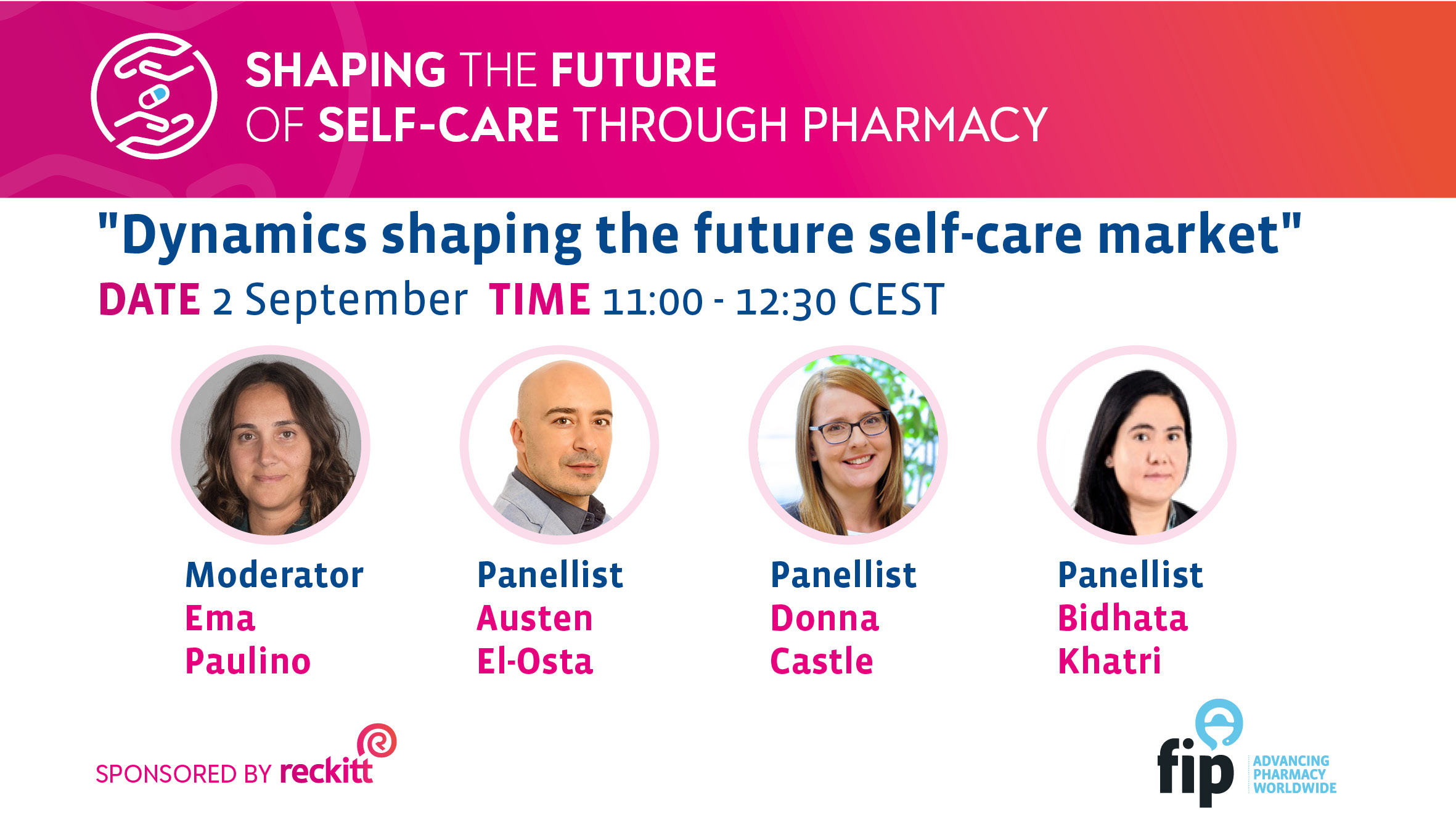
Self-care can empower consumers by giving them the knowledge and tools to improve the quality of their daily lives. For example, consumers often treat minor symptoms, such as a mild headache or a cold, themselves using products purchased over-the-counter at a local pharmacy or grocery store.
In 1998, a special working group of the World Health Organization (WHO) offered an inclusive definition of self-care: “Self-care in health refers to the activities individuals, families and communities undertake with the intention of enhancing health, preventing disease, limiting illness, and restoring health. These activities are derived from knowledge and skills from the pool of both professional and lay experience. They are undertaken by lay people on their own behalf, either separately or in participative collaboration with professionals.”
In today’s rapidly changing healthcare environment, self-care should be recognised as an integral element of a coordinated and comprehensive national health policy.